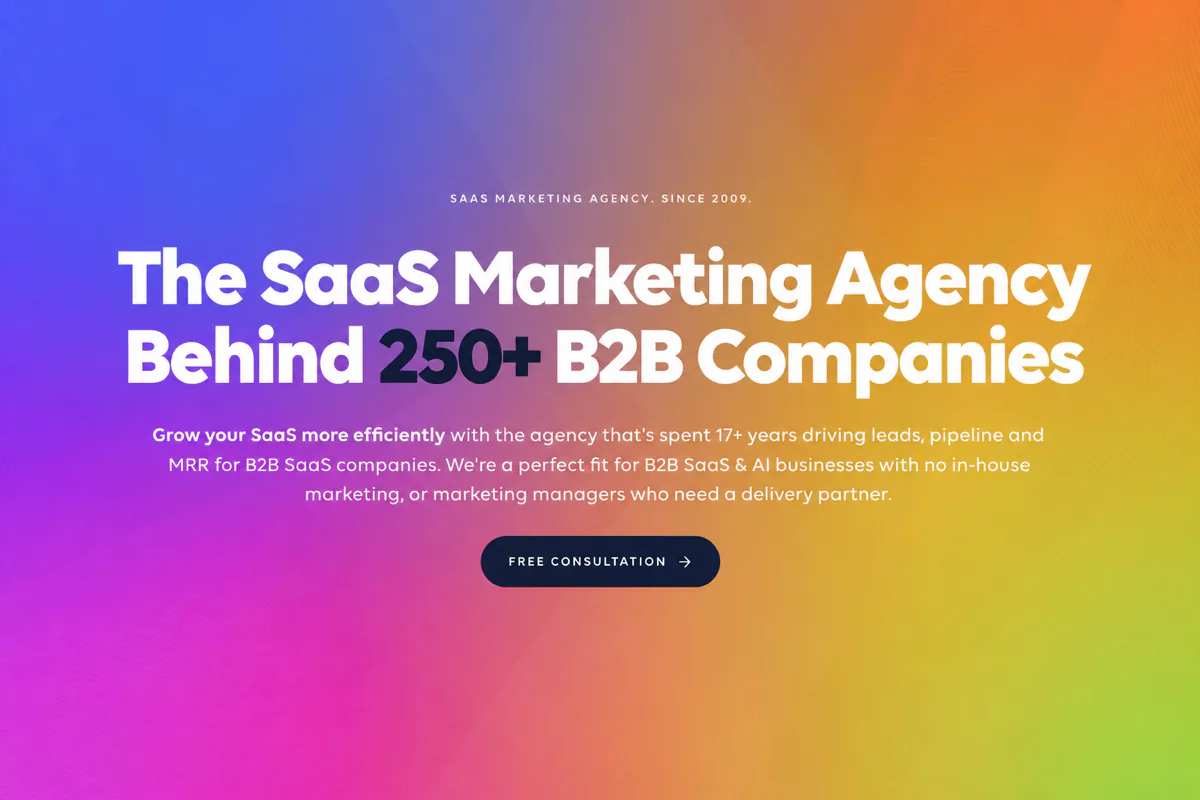
We’ve launched a new website this week.
It’s the fifth version of our site since we started the business in 2009. The previous one went live in 2021, so it had a good five-year stint.
It’s a new design, with new pages, updated content and a new structure. We’ve evolved the branding we already had and brought it up to date with modern website standards.
We’ve also made a significant change behind the scenes.
For the first time, we’ve built our website without WordPress. It’s a static site that produces plain HTML pages for visitors. The new setup has changed how quickly we can manage and develop it.
WordPress has served us well
When Xander Marketing started in 2009, WordPress was already established, although it was only six years old. Its first public release appeared in May 2003.
Every version of our website until now was built on WordPress. It gave us a practical way to publish pages and blog posts, improve the site over time and manage a growing amount of content without rebuilding everything whenever something changed.
WordPress became so widely used for good reasons. It’s flexible, familiar and supported by a vast ecosystem of themes, plugins and developers. It continues to serve many of our clients well. It’s also a great solution for teams that need several people to log in, manage content and publish updates.
After 17 years of using it for our own website, we found an approach that fits the way our small team now works better.
A new design and a new way of working
A website’s platform doesn’t determine how it looks. This design could have been built in WordPress. We chose a static site because of how it works behind the scenes and how we can update it.
Once the templates and design system were in place, we could use tools such as ChatGPT and Claude to help move content across, create new pages and make changes throughout the site. We can describe an update, review the result and preview it before it goes live. This has made it the quickest website we’ve ever built.
Work that once involved editing a CMS, navigating page builders or asking our developer to make a small change is now much more direct.
We made the decisions about the design, positioning, content and what the site needed to do. ChatGPT and Claude helped with the repetitive work between having an idea and seeing it working on the website.
Why static HTML works for us
Our new site is built using Astro, which produces static HTML pages for visitors. In practical terms, that gives us a simpler website with fewer moving parts.
There is no database assembling each page when somebody visits it, and no stack of plugins needed to produce the finished site. The result is fast, secure and easier for us to maintain.
The most valuable difference is how straightforward it is to keep improving. It was quicker to build than our previous websites and it’s quicker to update.
If we want to create a campaign landing page, we can supply the content – or work with AI to create it – and ask ChatGPT or Claude to build the page using one of our existing templates. We then review it, make any changes and publish it. We don’t need to load the content into a page builder or commission another template for every new campaign.
Adding a blog is just as direct. We can provide the finished copy and an image, and the new post can be created in the right format and added to the website. AI can also help us create the image where needed.
Site-wide changes are easier too. When Xander Marketing reaches 18 years in business, for example, we can ask AI to find every mention of 17 years across the site – including where it’s written as “seventeen” – and update it. We can review all the changes together before they go live.
This gives us far more flexibility to create landing pages, add content, test ideas and keep the website current without every change turning into a development task.
This approach isn’t for everyone
One reason this setup works for Xander Marketing is that only a couple of people are likely to make changes to the website.
WordPress gives a larger team a familiar interface where multiple people can log in, work with defined user roles and publish content without needing to understand how the rest of the site is put together. A static site managed through GitHub works differently. Anyone updating it needs to be comfortable with that workflow, or work closely with somebody who is. For a bigger content team, it could create extra friction.
There are also fewer guardrails.
A well-configured WordPress website, like those we create for our clients, can restrict what an editor is able to change. The templates, fields and permissions help keep people within an agreed structure. When you are working more directly with a codebase – particularly with an AI tool that can make changes across many files at once – there is more scope for things to go rogue. A request that sounds simple can have consequences elsewhere if it is not properly reviewed.
That means the freedom comes with responsibility. We use version control, preview changes and review the result before anything goes live. A larger team would need stricter rules around who can make changes, how those changes are checked and who approves them.
Companies with lots of contributors, complex publishing permissions or teams who need to make routine updates through a browser may be better served by WordPress or another CMS.
For a smaller team like ours, where the people making the changes understand the site and can review the output, the balance is different. We gain more from the speed and flexibility than we lose by giving up the CMS interface.
What we have learned from five websites
Each of our websites has reflected how we worked at the time.
In 2009, simply having a professional, easily managed website put a small business in a good position. Over the years, the site became a much larger library of services, thinking, case studies and resources. The 2021 version served that job well for five years.
This new version reflects how website development has changed. Design, content and development can now work together far more quickly, provided the technology suits the team using it.
AI can now handle a large part of the mechanical work. Clear positioning, good design, strong opinions and careful editing remain essential. Producing another page may be easy; knowing what it should say and why it deserves to exist takes experience and judgement.
That is relevant well beyond our own website. SaaS businesses often treat a new website as a large one-off project, then discover that every improvement afterwards has to join a development queue. When choosing a platform, think about the launch and the years of updates that will follow it.
After four WordPress websites, choosing a different approach was a meaningful change for us. We now have a completely redesigned website and a setup that better matches how we want to work: fast, flexible and always evolving.
Have a look around. And if your own SaaS website has become difficult to change, or no longer reflects the business you have become, talk to us about your next website.